
Termite Control in Lehigh Acres, FL, Pest Control Xperts
In Southwest Florida, termites are not a matter of “if” but “when.” The warm, humid climate and sandy soil of Lehigh Acres provide the perfect environment for these wood-destroying organisms to thrive 365 days a year. Pest Control Xperts offers specialized termite inspection, termite treatment, and long-term protection for homeowners and businesses in Lehigh Acres, Immokalee, and Labelle. We protect your biggest investment from the silent damage that standard insurance policies rarely cover.
Our team understands the unique construction challenges of our area, from the older wood-frame homes in Labelle to the concrete block and stucco homes in Mirror Lakes. Termites are masters at finding hairline cracks in slab foundations or entering through expansion joints. We rely on rigorous pest assessment services and safe pest management practices to detect activity before it becomes a structural crisis. You can count on us for honest evaluations, clear explanations of your treatment options, and dependable scheduling.
Contact us today for a comprehensive assessment.
Termite Problems We Solve in Lehigh Acres
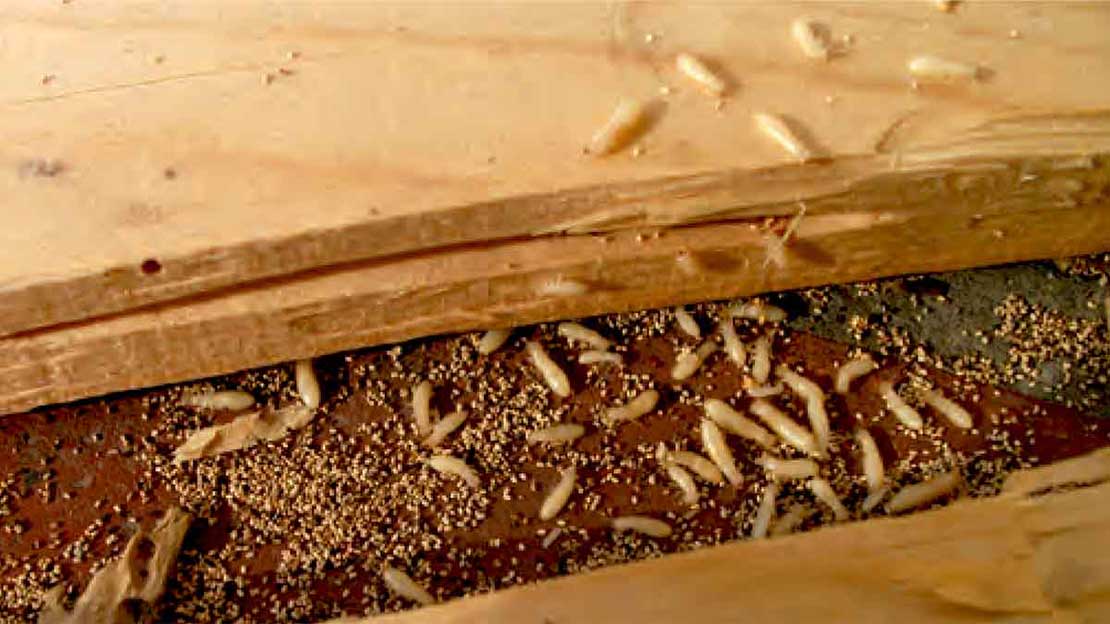
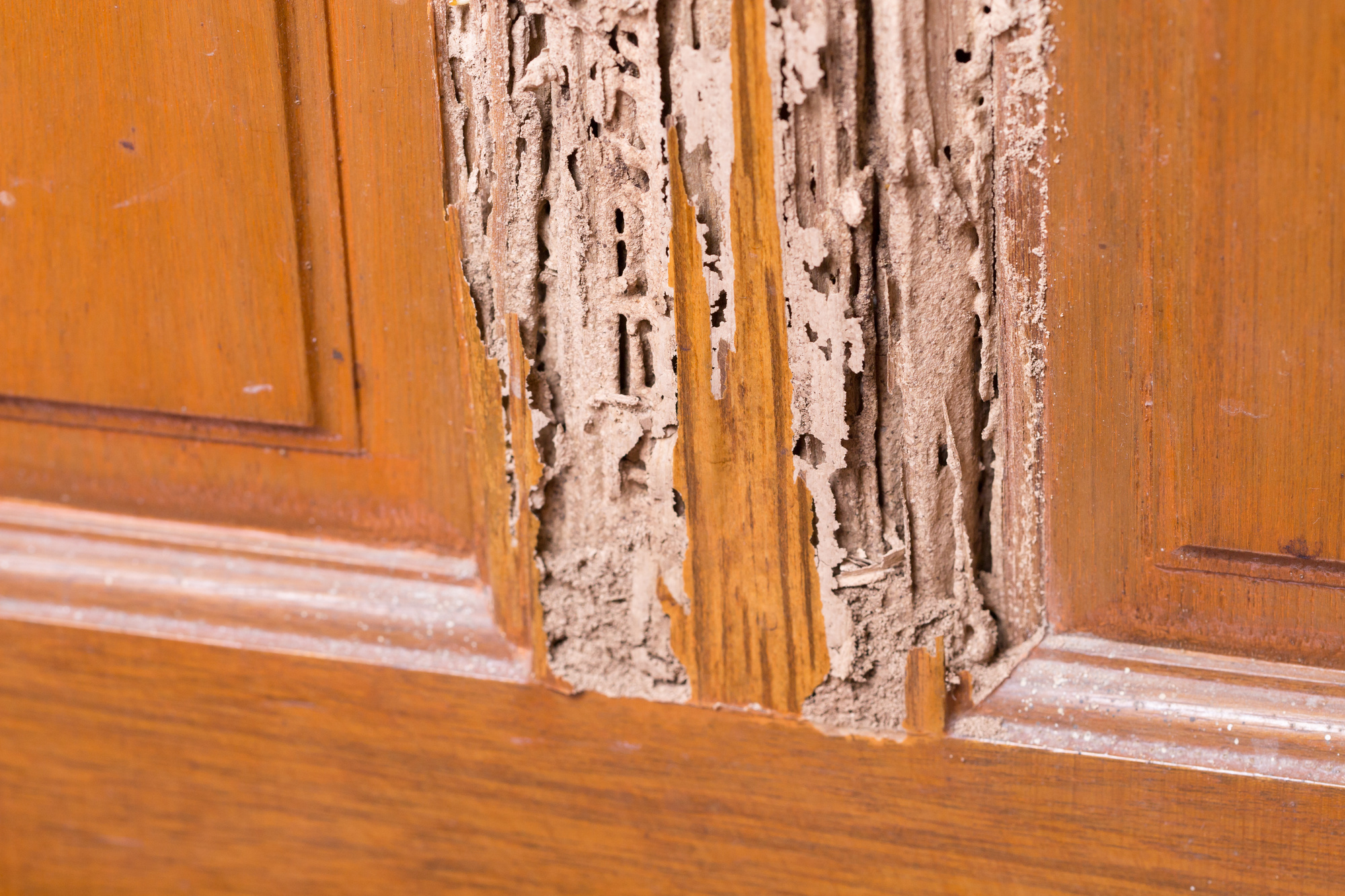
Termites are often called “silent destroyers” because they consume cellulose materials from the inside out. You may not see them until the damage is significant. In Lehigh Acres, Subterranean termites are the most aggressive threat, building mud tubes to travel from the soil into your walls. Drywood termites are also common, flying into attics and consuming roof trusses or furniture.
Termite treatment is complex because the colony is usually hidden underground or deep within the wood. Surface sprays are ineffective against these pests. We focus on colony elimination. Whether you are buying a new home and need a clearance letter or suspect an active infestation in your current property, we have a strategy to handle it. We use pest tracking to identify the species and the extent of the damage.
Common signs of a termite issue:
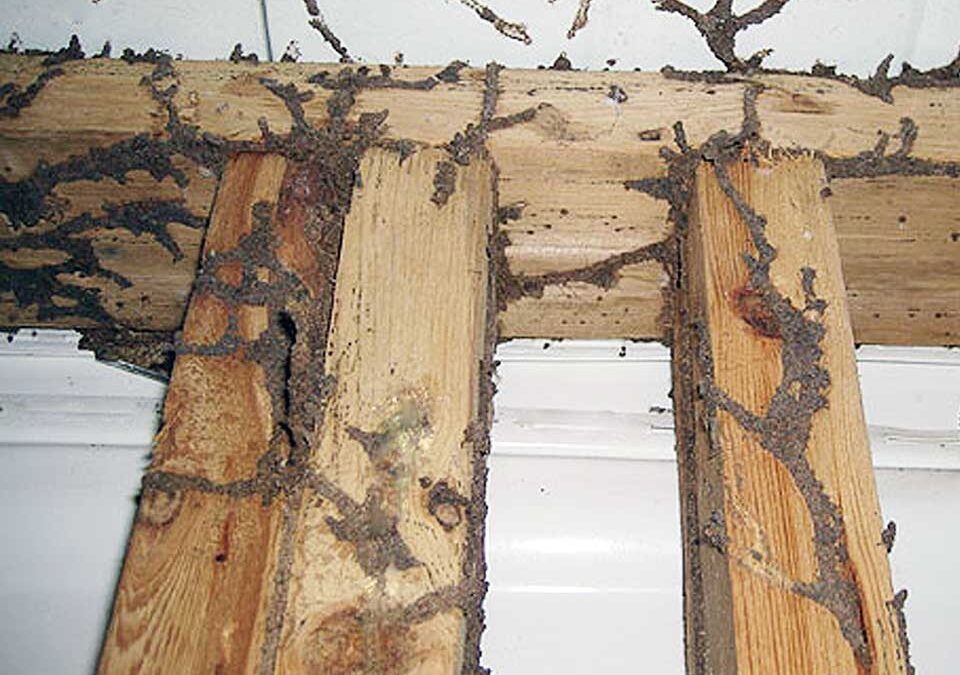
- Mud tubes (tunnels) climbing up the exterior foundation or inside the garage
- Wood that sounds hollow when tapped with a screwdriver handle
- Discarded wings on window sills or near door frames (often after a rain)
- Bubbling or peeling paint that resembles water damage
- Frass (termite droppings) that looks like small piles of wood pellets or salt and pepper
- Doors and windows that suddenly stick or become hard to close
- Buckling floorboards or sagging ceilings
- Visible swarms of flying insects inside the home
Types of Termite Issues We Handle
Subterranean Termite Defense
Subterranean termites cause the majority of termite damage in Florida. They live in the soil and require moisture to survive. They enter homes through cracks in the slab, plumbing penetrations, or by building mud tubes up the side of the foundation. They can consume pounds of wood per week.
What we look for during inspection:
- Mud tubes on the foundation or in the crawlspace
- Moisture issues around the perimeter of the home
- Wood-to-ground contact, such as fence posts touching the wall
- Active foragers in the soil near the structure
How we approach treatment:
We create a continuous treatment zone around the foundation of your home. We use non-repellent liquid products that termites pass through unknowingly, transferring the active ingredient back to the colony. Alternatively, we may use baiting systems that intercept foraging termites and eliminate the queen.
Drywood Termite Management
Drywood termites do not need contact with the soil. They fly into structures and establish colonies in dry, sound wood. They are often found in attic trusses, fascia boards, and antique furniture. Their presence is usually betrayed by piles of fecal pellets (frass) they kick out of their galleries.
What we look for during inspection:
- Six-sided fecal pellets accumulating on floors or insulation
- “Kick-out” holes in wood surfaces
- Swarms occurring in the evening
- Damage in attic framing or furniture
How we approach treatment:
For localized infestations, we use targeted injection treatments to penetrate the wood galleries and eliminate the colony. If the infestation is widespread, we will discuss comprehensive options to ensure the entire structure is treated. We focus on removing the active population and preventing spread.
Real Estate and WDO Inspections
Buying a home in Lee or Hendry County requires due diligence. A Wood Destroying Organism (WDO) report is essential for understanding the health of the property. We provide thorough inspections for real estate transactions, looking for evidence of past or present infestation.
What we look for during inspection:
- Previous treatment drill marks
- Old termite damage that may be hidden by paint
- Conditions conducive to infestation, like grading issues
- Live activity in accessible areas
How we approach treatment:
If issues are found, we provide a clear plan for remediation. We help buyers and sellers move forward with confidence by addressing the termite issues professionally and providing the necessary documentation.
Our Termite Inspection and Treatment Approach
Termite control is not a DIY project; it requires training and specialized equipment. Our process starts with a meticulous visual inspection. We examine the exterior perimeter, the interior walls, and the attic. We use moisture meters and sounding tools to detect activity behind the drywall. In a stucco home, this is critical, as termites can travel behind the finish without being seen.
Once we identify the species and the entry points, we customize a treatment plan. We utilize integrated pest management principles to protect your home with the least environmental impact. For Subterranean termites, this often involves trenching around the foundation to apply a liquid barrier or installing bait stations. For Drywood termites, it involves treating the wood directly.
We believe in long term pest control. Termites are persistent, so our relationship does not end after the treatment. We offer periodic pest inspections to monitor the property and ensure the protection remains intact. We check for new mud tubes or conducive conditions that might compromise your home’s defense.
Termite Prevention and Property Maintenance Tips
Florida homes are under constant pressure from termites, but you can lower your risk by reducing the factors that attract them. Moisture and wood-to-ground contact are the two biggest drivers of infestation.
Preventative steps that actually help:
- Ensure gutters and downspouts divert water at least three feet away from the foundation
- Keep mulch layers thin and pull them back 12 inches from the exterior walls
- Trim trees and shrubs so they do not touch the roof or siding
- Fix leaky outdoor spigots and AC condensation lines
- Store firewood and lumber off the ground and away from the house
- Ensure sprinklers are not spraying directly onto the house
- Seal cracks in the foundation and around utility pipes
- Remove dead tree stumps and roots from the yard
By implementing these pest deterrent strategies, you make it harder for termites to access your home. Combining these property pest management steps with professional treatment offers the best protection available.
Residential and Commercial Termite Control
For homeowners, your house is likely your largest asset. We provide residential pest control that safeguards that asset. We treat everything from historic wood-frame houses to modern concrete block structures. We understand the emotional toll of termite damage and work hard to restore your security.
For business owners, termite damage can disrupt operations and lead to costly repairs. We offer commercial pest services for warehouses, office buildings, and retail spaces. We understand that commercial structures, often built on large slabs, have unique vulnerability points. We provide preventative soil treatments and active monitoring programs. Our professional pest exterminators work with property managers to maintain the structural integrity of multi-unit housing and commercial complexes throughout Lehigh Acres and Immokalee.
Professional Termite Extermination vs DIY Methods
Termites are complex social insects. Killing the few you see does nothing to stop the thousands underground or inside the wood. DIY sprays and “termite killer” products from the hardware store are repellents. When you spray them on a mud tube, the termites simply detour around the treated area and find a new way in, often in a harder-to-detect location.
Professional termite treatment uses non-repellent technology. The termites do not detect the product, so they tunnel through it and unknowingly carry it back to the nest. This transfer effect is the only way to eliminate the colony and the queen. Additionally, effective treatment often requires drilling into concrete or trenching the soil—tasks that require professional equipment and knowledge of construction standards.
Safety is also paramount. Termite treatments involve applying products in quantities that must be calculated precisely based on the linear footage of the home. We utilize safe pest management practices to ensure the product is applied where it belongs—in the soil or wood—without exposing your family or pets.
Frequently Asked Questions About Termite Control
Do you provide termite control in Lehigh Acres and nearby areas?
Yes, we serve Lehigh Acres, Immokalee, and Labelle. We are deeply familiar with the termite pressure in these areas and the construction types most at risk.
How do I know if I have flying ants or termites?
Termites have straight antennae, a thick waist, and wings of equal length. Ants have elbowed antennae, a pinched waist, and wings of different lengths. We can provide a positive identification during our inspection.
How long does a termite treatment last?
Liquid treatments can remain effective in the soil for several years, depending on environmental conditions. However, the protective barrier must be monitored. We recommend annual inspections to ensure continued protection.
Can termites eat through concrete?
No, termites cannot eat concrete, but they can squeeze through cracks as thin as a business card. They use these cracks to travel from the soil to the wood framing inside your walls.
What is the difference between Subterranean and Drywood termites?
Subterranean termites live in the ground and build mud tubes to reach wood. Drywood termites live inside the wood itself and do not need soil contact. The treatment methods for them are completely different.
Do you offer pre-construction termite treatments?
Yes, treating the soil before the slab is poured is one of the most effective ways to prevent termites. We work with builders and homeowners to apply soil treatments during the construction phase.
Is there a termite inspection service near me?
If you are in Lehigh Acres, Labelle, or Immokalee, we are your local experts. We can schedule an inspection quickly to give you answers.
Do you offer green pest control options for termites?
We use integrated pest management, which includes baiting systems. Baits are a targeted, low-impact option that uses very little active ingredient and is contained within a station, making it an environmentally friendly choice.
Service Area for Termite Treatment in and Around Lehigh Acres, FL
We are dedicated to protecting the structures of Lee and Hendry counties. From the riverfront properties in Labelle to the inland neighborhoods of Lehigh Acres, we provide consistent, high-quality termite defense.
- Lehigh Acres
- Immokalee
- Labelle
- Mirror Lakes
- Alabama
- Sunshine
- Felda
- Alva
We are committed to preserving the homes and businesses in our community for the long term.
Zip codes we serve: 33936, 33971, 33972, 33973, 33974, 33976
Conclusion
Pest Control Xperts is your line of defense against termites. Whether you need a routine inspection, a WDO report, or an aggressive treatment plan for an active infestation, we have the expertise to handle it. We serve Lehigh Acres, Immokalee, and Labelle with professional, reliable pest management.
Don’t let termites eat away at your investment. We are ready to provide the inspection and protection you need.
Reach out to us for assistance.